

Blog

Your journey in travel healthcare is an exhilarating time with memories that you will cherish forever. In the whirlwind of this nomadic lifestyle, it’s easy for moments to blur together and memories to begin to fade. That’s where journaling comes into play- a practice that serves as both a compass and a time capsule, allowing you to capture the essence of each assignment and preserve the intricacies of your adventures. Whether you’re sitting down daily with pen and paper to journal, or you create an Instagram page specifically for this journey, journaling will provide numerous benefits for you. In this blog we’ll delve into some of the benefits including an increase in mindfulness, memory, and communication skills.
Your journey in travel healthcare is an exhilarating time with memories that you will cherish forever. In the whirlwind of this nomadic lifestyle, it’s easy for moments to blur together and memories to begin to fade. That’s where journaling comes into play- a practice that serves as both a compass and a time capsule, allowing you to capture the essence of each assignment and preserve the intricacies of your adventures. Whether you’re sitting down daily with pen and paper to journal, or you create an Instagram page specifically for this journey, journaling will provide numerous benefits for you. In this blog we’ll delve into some of the benefits including an increase in mindfulness, memory, and communication skills.
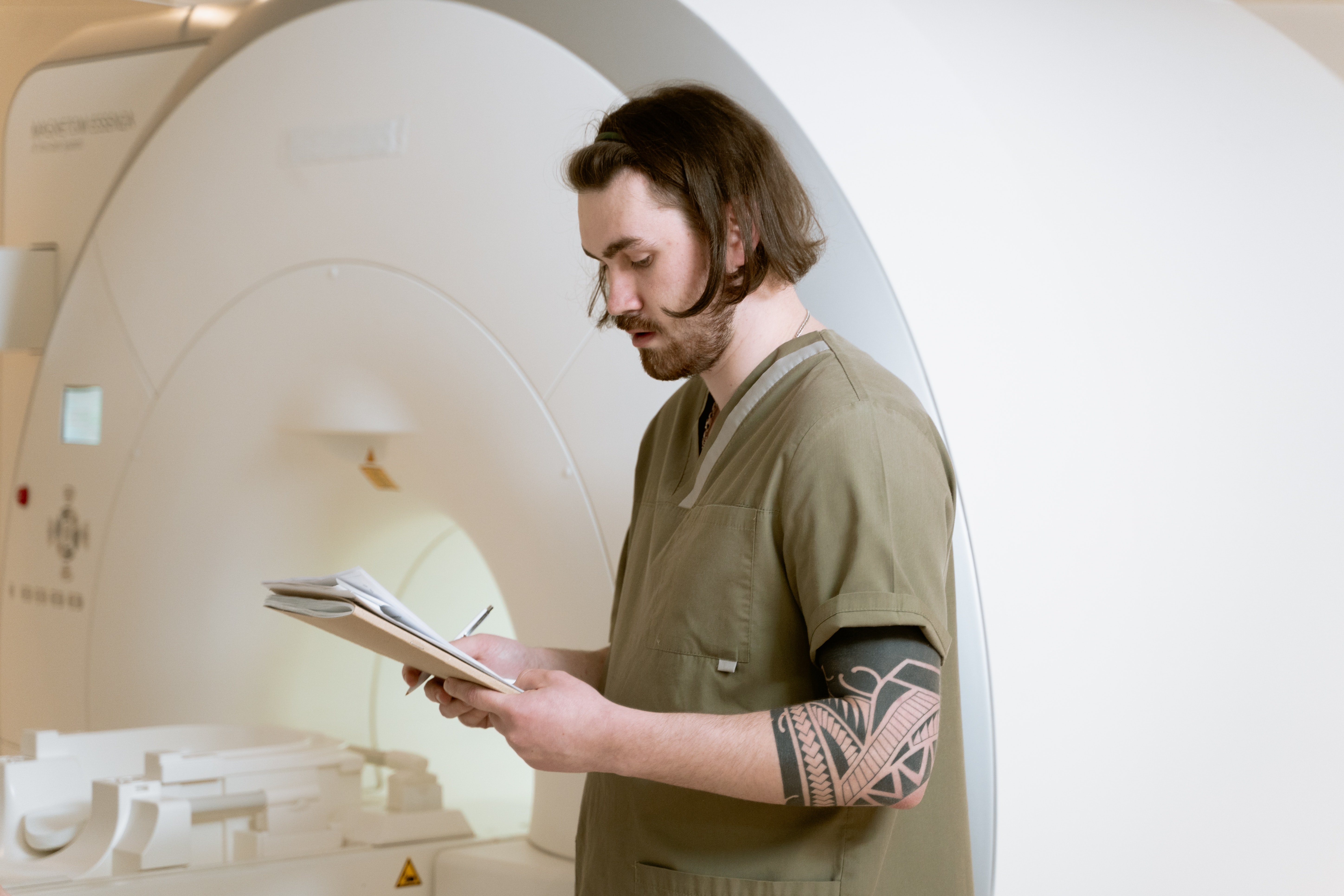
Travel therapy, allied, or education is the perfect career move for professionals who feel stagnant in their current workflows and are ready to mix things up. It's a career path that's achievable for virtually anyone, regardless of age or even experience. That being said, there's something special about choosing this career at a young age, as it comes with many opportunities for personal and professional growth. If you're in your mid-20s and need a change up from your day-to-day routine, here are a few reasons to consider take travel therapy or allied contract:
Why Travel Healthcare is a Perfect Career For Your Mid-20s
Advice for New Grads, Lifestyle Travel Guides
Travel therapy, allied, or education is the perfect career move for professionals who feel stagnant in their current workflows and are ready to mix things up. It's a career path that's achievable for virtually anyone, regardless of age or even experience. That being said, there's something special about choosing this career at a young age, as it comes with many opportunities for personal and professional growth. If you're in your mid-20s and need a change up from your day-to-day routine, here are a few reasons to consider take travel therapy or allied contract:

A career in travel healthcare means utilizing your skills and expertise across the country, discovering new places, and stepping outside your comfort zone. While this is an exciting time in your life, it's also nerve-wracking, and you may be considering bring a pet along for the journey to make it a bit easier. Whether you're thinking of adopting a new animal or bringing along a furry friend you've had for years, there are a lot of benefits to having a pet with you on your next travel therapy or allied job. Here are a few of the many ways a pet can benefit you, and how it can directly impact your career as a traveler:
A career in travel healthcare means utilizing your skills and expertise across the country, discovering new places, and stepping outside your comfort zone. While this is an exciting time in your life, it's also nerve-wracking, and you may be considering bring a pet along for the journey to make it a bit easier. Whether you're thinking of adopting a new animal or bringing along a furry friend you've had for years, there are a lot of benefits to having a pet with you on your next travel therapy or allied job. Here are a few of the many ways a pet can benefit you, and how it can directly impact your career as a traveler:

Becoming an empty nester can be bittersweet. The kids are gone (or home but grown), but now you have the amazing opportunity to get out, explore, and pursue hobbies and career ventures you couldn’t in the past. Perhaps you’ve always dreamed of taking your therapy or imaging talents across the country but felt too nervous about uprooting your family and starting over. When you're an empty nester, you have the the opportunity to embrace your passions again in a way you couldn't while caring for children. Let's explore some of the reasons why travel healthcare is perfect for empty nesters:
Becoming an empty nester can be bittersweet. The kids are gone (or home but grown), but now you have the amazing opportunity to get out, explore, and pursue hobbies and career ventures you couldn’t in the past. Perhaps you’ve always dreamed of taking your therapy or imaging talents across the country but felt too nervous about uprooting your family and starting over. When you're an empty nester, you have the the opportunity to embrace your passions again in a way you couldn't while caring for children. Let's explore some of the reasons why travel healthcare is perfect for empty nesters:

Losing a loved one is an incredibly difficult experience, and it can be even more challenging when you are away from home on assignment. The emotional toll of grief combined with the demands of work can feel overwhelming. At Jackson Therapy, we understand the unique challenges faced by healthcare professionals who are coping with the loss of a loved one while on assignment. In this article, we will explore various aspects of this experience and provide helpful insights and strategies for navigating through this difficult time.
Losing a loved one is an incredibly difficult experience, and it can be even more challenging when you are away from home on assignment. The emotional toll of grief combined with the demands of work can feel overwhelming. At Jackson Therapy, we understand the unique challenges faced by healthcare professionals who are coping with the loss of a loved one while on assignment. In this article, we will explore various aspects of this experience and provide helpful insights and strategies for navigating through this difficult time.