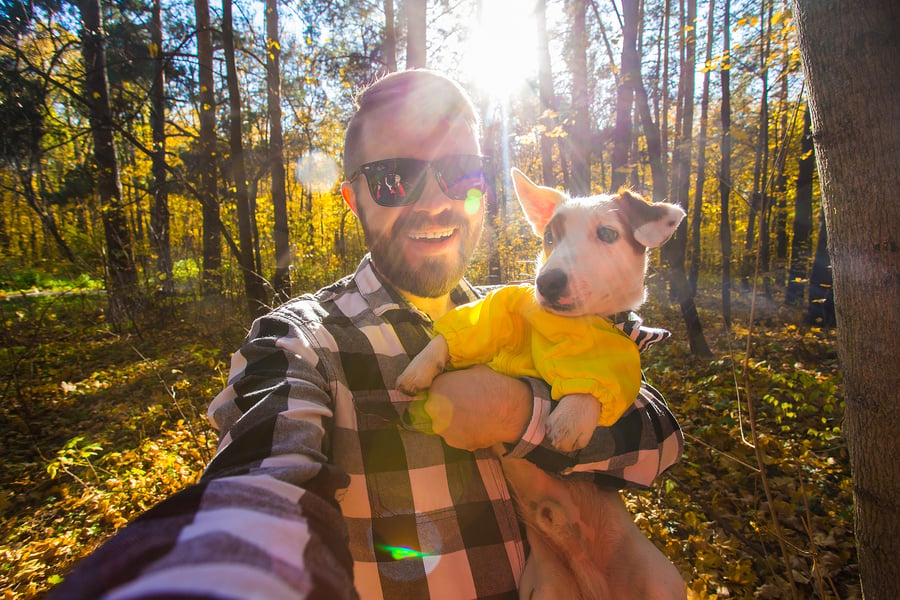
Embracing Independence, Growth, and Adventure as a Traveling Therapist on the Road Alone
As a traveling therapist, you won’t always be able to bring friends or family along for every assignment, and that’s okay. In fact, that reality doesn’t have to hold you back from stepping into everything travel therapy has to offer.
Traveling solo opens the door to a different kind of freedom. It gives you the flexibility to take nearly any assignment and the space to experience new places at your own pace, in your own way. Whether you’re heading out on your very first contract or you’re a seasoned traveler, going solo invites you to grow beyond your comfort zone and discover what you’re capable of on your own. In this article, we’ll explore the benefits of traveling solo as a therapist, how to thoughtfully plan your assignments, and ways to navigate the natural challenges that can come with being on the road without friends or family nearby.
The Benefits of Going Solo As a Travel Therapist
There’s something powerful that happens when your travel assignments become your own; not coordinated around anyone else’s schedule, preferences, or limitations. Solo travel opens space for independence in a way that’s both practical and deeply personal. You start learning about yourself in new environments. How you adapt to unfamiliar clinics. How you navigate new teams. How you solve problems without relying on your usual support system right next door. Over time, that builds a kind of confidence that carries directly into your clinical work.
You also get the freedom to shape your days outside of work exactly how you want them. One assignment might be about early morning coffee shops and quiet evenings. Another might be about weekend hikes, local events, or exploring every corner of a new city. There’s no compromise, just alignment with what you need in that season. And maybe most importantly, solo travel creates space for reflection. Between contracts and between patient care moments, you get to reconnect with your own goals, values, and direction in a way that’s harder to access when life is constantly shared or scheduled around others.

Planning Your Solo Travel Therapy Assignment
A great assignment starts with choosing a location that supports both your professional goals and your personal comfort. As a travel therapist, that means thinking beyond just the job description and considering what daily life will feel like in that area. What’s the pace of the community? What kind of climate would you actually enjoy living in for a few months? What do your weekends look like there, quiet recovery time, outdoor adventure, or something in between? These details matter more than they might seem at first glance.
Housing becomes especially important when you’re traveling solo. Prioritize places that feel safe, stable, and easy to settle into quickly. That might mean short-term furnished rentals, extended-stay options, or housing recommended through trusted recruiter networks. Budgeting also plays a role in feeling grounded on assignment. Planning ahead for rent, transportation, groceries, and a small cushion for unexpected expenses gives you more freedom once you arrive. The goal isn’t restriction, it’s ease. Knowing your plan allows you to actually enjoy the experience you worked so hard to step into.
Navigating the Challenges Traveling Alone
Solo travel therapy comes with a lot of beauty, but it also comes with real moments of adjustment. The first few weeks in a new place can feel quiet. You’re learning new systems, new people, and new routines all at once. It’s normal for that to feel unfamiliar before it feels comfortable. Staying connected to your support system can make a big difference. A quick phone call after work, a video chat on your day off, or even a simple check-in message can help you feel grounded while still giving you space to grow independently. Building connection locally also matters. Whether it’s chatting with coworkers, finding a favorite coffee shop, or joining local fitness classes or community events, small touchpoints of familiarity start to make a new place feel like it’s yours.
There are also the practical challenges, schedule changes, new workflows, or the occasional unexpected curveball that comes with any assignment. This is where adaptability becomes one of your strongest tools. Over time, you learn that you can handle more than you thought you could, even when things don’t go exactly as planned. And above all, trust your instincts. Whether it’s choosing housing, navigating a new neighborhood, or simply deciding how you want to spend your time outside of work, your awareness is one of your best guides.
Solo travel as a travel therapist isn’t about doing everything alone, it’s about discovering what becomes possible when you trust yourself in new places. It’s about building a career that moves with you, grows with you, and reflects who you’re becoming with each assignment. And somewhere along the way, you may realize that solo doesn’t mean disconnected. It often means deeply present—more tuned in to your work, your surroundings, and your own life than ever before.