Embarking on a travel therapy or allied assignment is a thrilling opportunity to explore new and exciting places, while making a positive impact on those you work with. That's not to say there aren't any challenges in travel healthcare, but one of the biggest challenges can be figuring out how to pack efficiently for an extended stay away from home. Packing light not only makes your journey easier, but also helps you stay organized in your temporary home. Check out these three key strategies to help you pack light for your travel healthcare contract:
1. Make the Essentials Your Priority
When you're planning or beginning to pack, it's crucial to focus on the essentials. Start with making a list of the items that you absolutely need while on your assignment. Choose versatile clothing pieces that can be mixed and matched to cut down on the items you need to bring. Bring neutral colors and pack layers to accommodate different weather conditions if you'll experience them. Bring enough sets of scrubs to get you through at least a week of work, ensuring you don't have to do laundry after a long shift. Pack travel-sized toiletries to use during your move, and replace them with full sized products once you're settled. By concentrating on these core items, you avoid overpacking and ensure you have everything necessary for both work and leisure.2. Consider Your Packing Technique
Efficient packing techniques can significantly reduce the amount of space your belongings occupy. Here are a few tips to help save space while staying organized:
- Rolling Clothes: Rolling rather than folding clothes can save space and reduce wrinkles.
- Packing Cubes: These handy organizers help compartmentalize your items, making it easier to find what you need without unpacking everything.
- Compression Bags: These are excellent for bulky items like jackets and sweaters. They remove excess air, allowing you to pack more in less space.
Using these methods helps you maximize your luggage capacity while keeping your items organized and easily accessible.
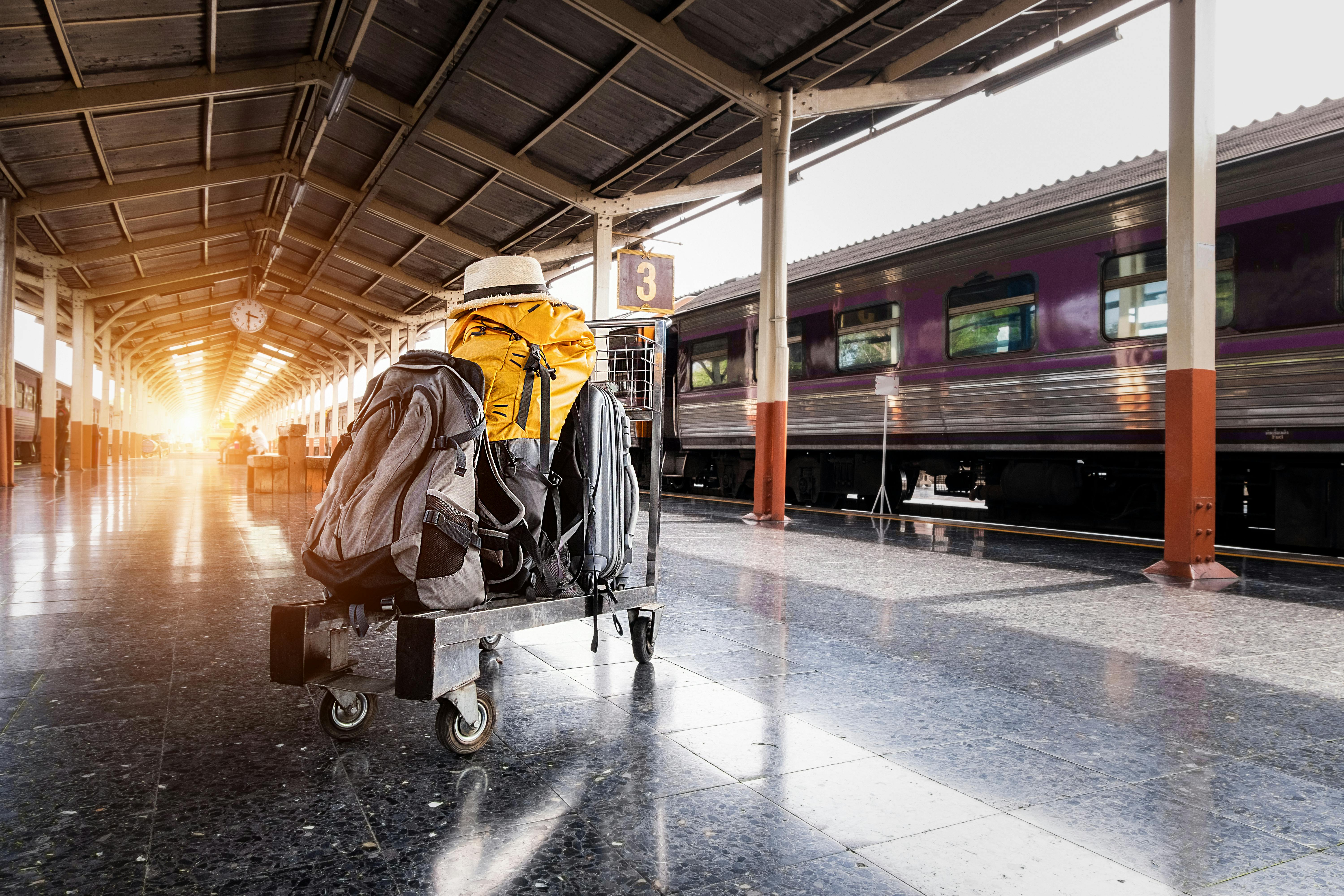
3. Focus on Cutting Out Non-Essentials
Adopting a minimalist mindset can greatly benefit your packing process. Consider what you truly need and leave behind items that are non-essential. Opt for digital versions of books, documents, and entertainment. A tablet or e-reader can replace several physical books, saving weight and space. Digital frames will keep your photos on display without taking up space in your luggage. Don't over stress about packing everything you might need! You can find anything you need or forgot in your new destination.
Packing light for your travel therapy contract doesn't have to be daunting. By prioritizing essentials, using smart packing techniques, and embracing minimalism, you can efficiently prepare for your adventure. Remember, the goal is to make your journey as stress-free and enjoyable as possible, allowing you to focus on your rewarding work in therapy.